by theEmother | Apr 12, 2019 | business ideas & thinking, exit strategy, Finish Unfinished Business, Podcast, start with the end in mind

Win Charles’ Books. Hope and Life, my journey as a disabled woman living in a Non-Disabled world. Smile with Dictation
Recently I had the good fortune of being able to have a chat with the very talented Win Kelly Charles on the PODCAST Ask Win!
Unsurprisingly, the conversation got to the Exit part, where I asked what plans she had in place should she decide not to continue with her business and books etc.. She surprised herself by not being able to answer this! She had spent so much time setting up her business over the years, and more recently her Trust, that what should happen to it if she wasn’t around had not entered her mind as something in need of consideration. She assured me she will address this, pronto!
Podcast host, Win Kelly Charles, has Cerebral Palsy and her mission is to help others with physical and mental disabilities to find their voices through written or spoken word and using today’s assistive technologies as needed.
Enjoy the PODCAST here: https://simplecast.com/s/5fc470ac
Ask Win is a podcast about celebrating life with people from different walks of life, with a focus on those sharing their stories through writing books and/or blogs, taking a look into daily life issues and how we mold our creative freedom through interviews with independent artists and authors.
by theEmother | Jul 30, 2018 | build a Mother of a Business, business ideas & thinking, events, exit strategy, Finish Unfinished Business, SELL your Mother of a Business, so you think you're in business, start with the end in mind, the business model
Time is running out for business operators to take part in what promises to be the an essential small business event delivered directly to you online.
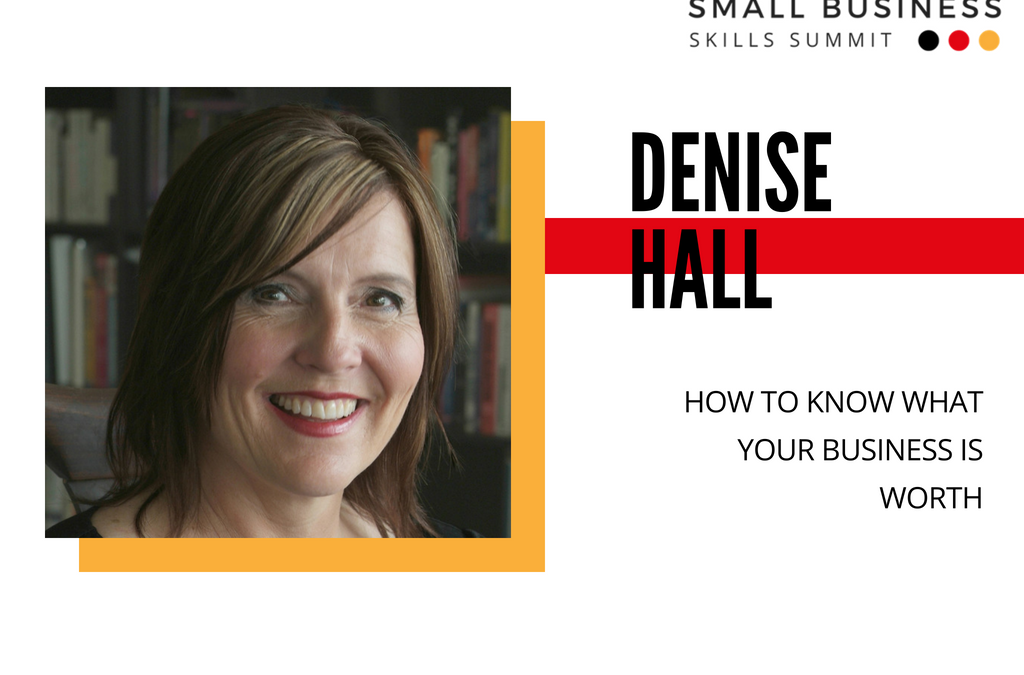
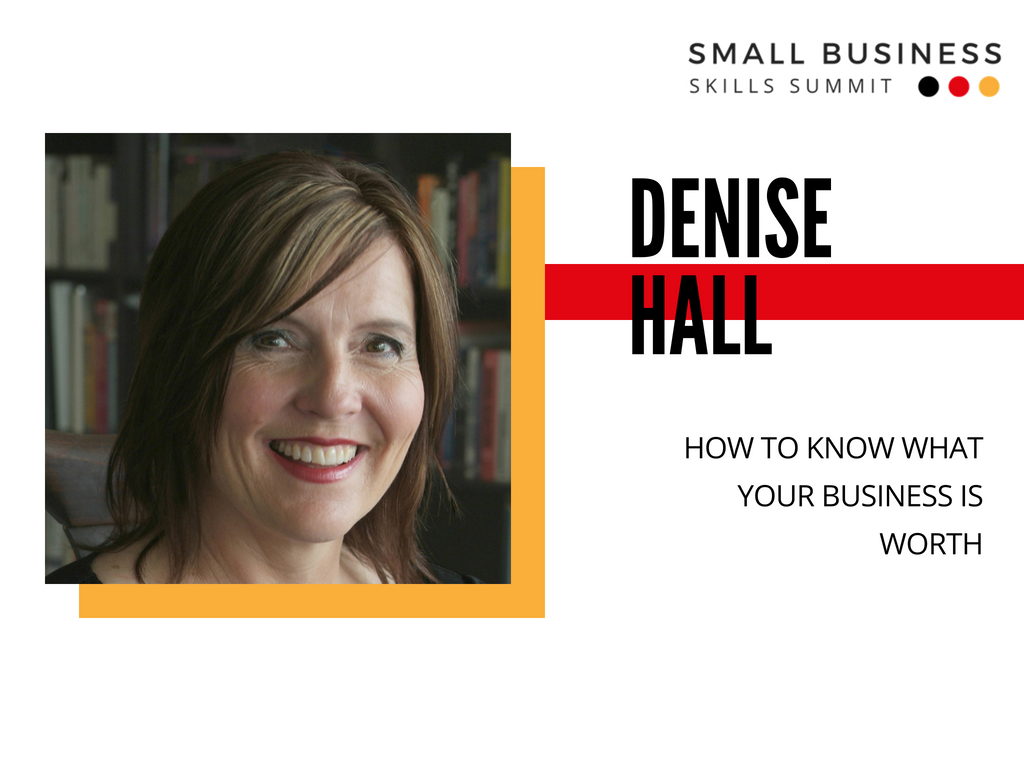
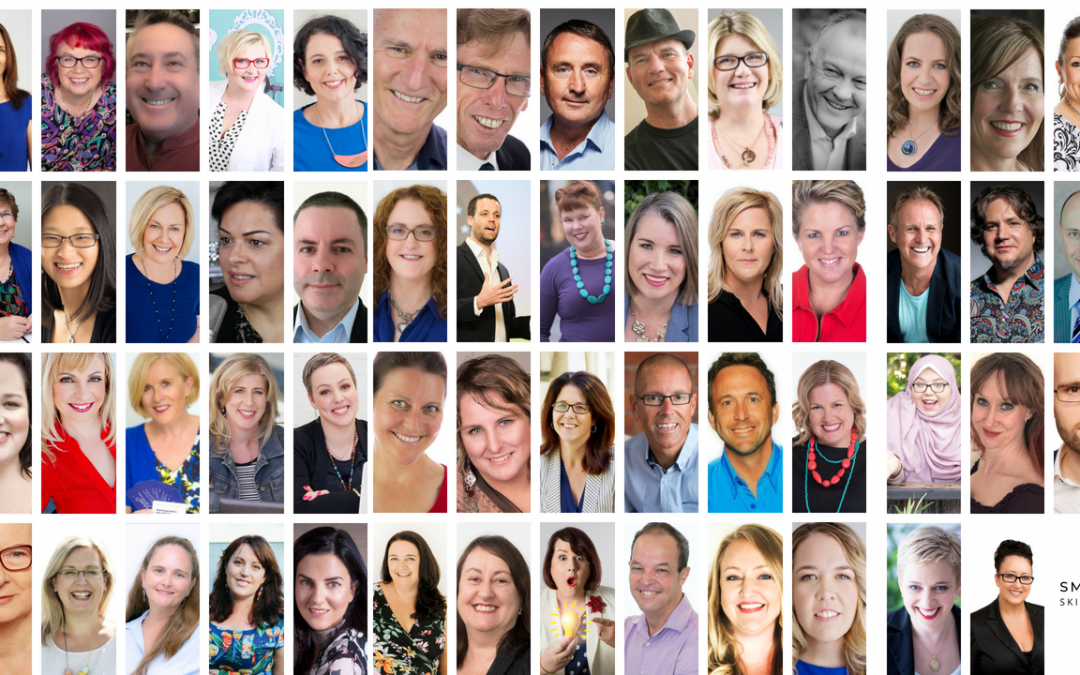
Featuring myself plus 60 more presenters and spanning 11 days, the Small Business Skills Summit runs from August 6 to 16 and features a daily lineup of presenters delivering their insight and expertise into the essential tools all businesses require.
Attendees can pick and choose the presenters they wish to see, engage in question and answer forums, or enjoy the convenience of accessing information for three months after the event. And it all takes place in the comfort of a business operator’s office, home or even while you’re on holidays.
The Inaugural Small Business Skills Summit will cover all the essential areas of business, with topics including business mindset, identifying the ideal customer, wellbeing, the business bottom line, and marketing.
The event will also feature handouts, key takeaways and be supported by dedicated Facebook community where presenters will be available on the day of their presentation to answer any questions about the topics covered.
BOOK HERE
by theEmother | Jul 27, 2018 | business ideas & thinking, events, EXIT execution, exit strategy, how to sell a business, Sell Your Business, SELL your Mother of a Business, start with the end in mind, the business model
With really good food, indulge your brain, learn business secrets from industry experts and revitalise your business by attending our Business Builders Bonanza Sales and Cashflow event on August 11.
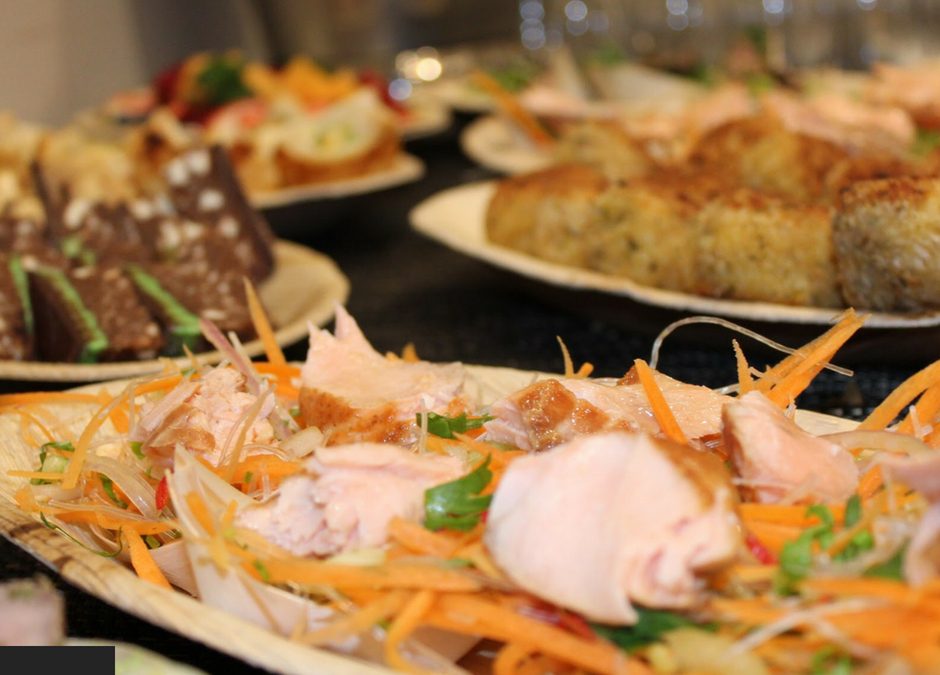
If you want a little extra enticement, then come for the excellent catering that we supply. With 4 hours of seminar style learning with Q&A opportunities followed by a relaxed couple of hours to enjoy luxurious food and wine and continue to pick the brains of our speakers, this is not an event to miss. It’s a golden opportunity to expand your business goals and further your growth.
Jump in now and get your tickets here: https://rebrand.ly/SALESANDCASHFLOWMEETUP
by theEmother | Jul 23, 2018 | build a Mother of a Business, business ideas & thinking, events, EXIT execution, exit strategy, Finish Unfinished Business, SELL your Mother of a Business, the business model
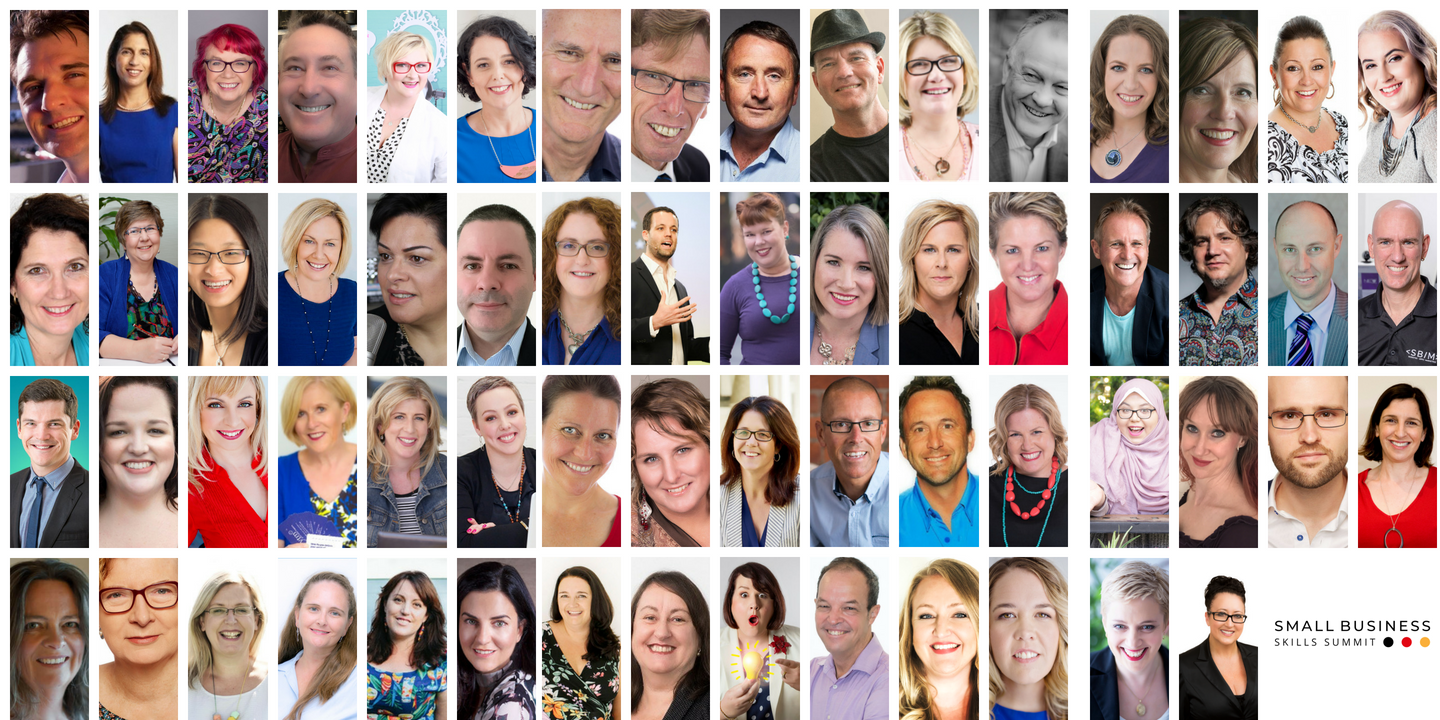
This August, business operators will have the unique opportunity to access some of the finest experts in the small business realm, courtesy of a skills summit delivered directly to them online.
Featuring myself plus 60 presenters and spanning 11 days, the summit will cover all the essential areas of business, with topics including business mindset, identifying the ideal customer, wellbeing, the business bottom line, marketing and how to get out!
Attendees can pick and choose the presenters they wish to see, engage in question and answer forums, or enjoy the convenience of accessing information for three months after the event. And it all takes place in the comfort of a business operator’s office, home or even while they’re on holidays.
An initiative of Business Business Business, the Small Business Skills Summit was designed to offer business owners the best tools and expertise available in a convenient, accessible form.
“We know the power that knowledge and learning offer businesses, and we also get that the demands of being a small business owner make it hard to get away to attend seminars for days”
“That’s why this innovative seminar has been crafted to deliver skills and advice directly to their door.”
Months in the planning, the Small Business Skills Summit lineup features experts ranging from business coaches to PR and marketing professionals, accountants and seasoned entrepreneurs.
It will provide an insight into business best practice but also offer a forum for business operators to ask questions of presenters.
The summit is supported by handouts and a dedicated Facebook page where presenters will be available immediately after their presentation to take questions on the topics covered.
Business operators can opt to log on and watch a presentation, then take part in the Q&A on the day, or choose to watch the presentations at their leisure in the three months that follow.
Attendees can pick and choose the topics that interest them, or embrace the entire program for the full gamut of skills available.
The Small Business Skills Summit runs from August 6 to 16, with enrollments OPEN NOW
by theEmother | Jul 20, 2018 | business ideas & thinking, EXIT execution, exit strategy, how to sell a business, Sell Your Business, SELL your Mother of a Business, so you think you're in business, start with the end in mind
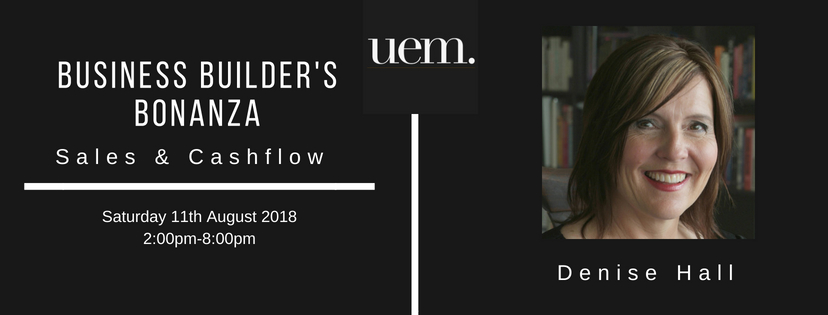
Here’s the question that stopped Kerry Ann Nelson, organiser of the Business Builders Bonanza dead in her tracks: “How can you not, as a Business Owner, know what your Business is Worth at any given time?” So she asked me, as an ex-Business Owner turned Business Value Analyst, Exit Strategist and Broker to Business Owners of Australia, to talk about this very topic as part of the “Sales and Cashflow” topic on August 11.
Building a Business into an Asset (as well as a Cashflow vehicle) may result in it being possibly the largest asset you’ll ever own, if not second after your home. So by NOT considering all angles may result in all the blood, sweat, tears, time and money you’ve invested resulting in close to nothing!
According to recent statistics from the “Centre of Women’s Business Research USA”, only 3% of women-owned businesses reach $1million revenue or more. Highlight women who are also the primary breadwinners, that % is even lower. I am proud to feature in both categories.
Blend this breadth of experience and execution together with having sold my 7-figure business (plus two smaller ones) and subsequently assisting many others to do the same since then, you can see why Kerry Ann sought me out to discuss this further in the context of Sales and Cashflow.
Come on August 11 and learn how establish the true value of your business, how to increase that value with a strategic plan you implement over time, and how to develop an exit strategy that allows you to GET OUT as profitably and seamlessly as possible whenever you are ready.
This is the MUST DO Event for Business Owners with their end game firmly in mind. Register today and we’ll see you here https://rebrand.ly/SALESANDCASHFLOWMEETUP
by theEmother | Jul 9, 2018 | build a Mother of a Business, business ideas & thinking, events, Finish Unfinished Business, SELL your Mother of a Business, so you think you're in business, start with the end in mind, the business model
Small Business Skills Summit 2018
Business Business Business is thrilled to offer business operators the unique opportunity to access some of the finest experts in the small business realm, courtesy of a Small Business Skills Summit delivered directly to you online.
Featuring over 60 presenters (of which I am one!) and spanning 11 days, the summit will cover all the essential areas of business, with topics including business mindset, identifying the ideal customer, wellbeing, the business bottom line, marketing, and of course, how to get out…
Attendees can pick and choose the presenters they wish to see, engage in question and answer forums, or enjoy the convenience of accessing information for three months after the event. And it all takes place in the comfort of a business operator’s office, home or even while you’re on holidays.
The summit officially runs from August 6 to 16 and features a daily lineup of presenters delivering their insight and expertise into the essential tools all businesses require.
The event will also feature handouts, key takeaways and be supported by dedicated Facebook community where presenters will be available on the day of their presentation to answer any questions about the topics covered.
Ready to book? Click here