by theEmother | Nov 27, 2015 | build a Mother of a Business, BUY a Business, Buy a Mother of a Business, entrepreneurial mothers, exit strategy, Finish Unfinished Business, growth by acquisition, inspiring women, SELL your Mother of a Business, start with the end in mind, women in business case studies
Who would think it is pleasing to use Tax as a Growth Indicator?
This story from one of my charges (Julie Demczuk of www.exclusivepmg.com.au) just this week, got to love a share such as this:
I’m sitting in my office on my own thinking about when I first started the business.
I remember saying to my bookkeeper I can’t wait until I start paying GST. I was so excited when my first GST bill was $6.
After three years my GST bill for the last quarter is $5,668.
What an amazing difference.
What an amazing difference indeed! Whilst I haven’t contributed directly to her growth numbers, she is one the amazing number of Women Business Owners who are building their business as an asset, ready to be saleable when the time comes (which may be right round the corner!)
So very proud of this entrepreneurial mother.
Just think how well off the new owner of a business like this will be. Not only is the thing well-established, if $5000+ of GST is being paid quarterly, then the revenue has to reflect same. Much more palatable when compared to waiting for revenue as a start-up… Interested in knowing more? Please drop me a line at info@theentrepreneurialmother.com.au
Some would say “why?”, others, “why not?”
Some are born to start, build and hold for as long as it takes.
Some are born to start, build and pass the baton on.
Which one are you?

by theEmother | Nov 6, 2015 | build a Mother of a Business, business ideas & thinking, entrepreneurial mothers, inspiring women, MEinc, women in business case studies
The Steve Jobs story often leaves out all the others, including dozens of women, involved in Jobs’ first big bet, 1984’s Macintosh. Like everyone else on the original Mac team, these 20-somethings put in gruelling hours to create a machine that could live up to the vision of Apple’s brilliant and volatile leader.
And now, they are movers and shakers in their own rights. Read their entrepreneurial mother stories in full here… http://www.cnet.com/news/steve-jobs-legacy-includes-the-women-he-inspired/#ftag=CAD590a51e
by theEmother | Oct 25, 2015 | build a Mother of a Business, business ideas & thinking, Buy a Mother of a Business, entrepreneurial mothers, Finish Unfinished Business, how to sell a business, inspiring women, SELL your Mother of a Business, single parent l single mother, so you think you're in business, start with the end in mind
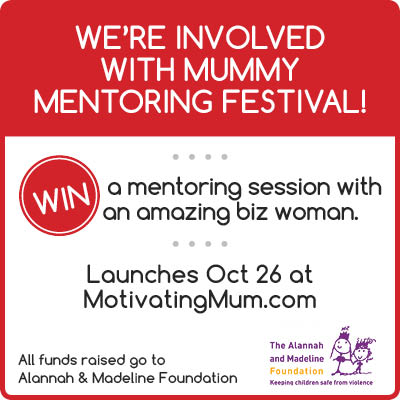
Just think, 30 minutes dedicated to asking all those niggling questions that you’ve had sitting in the back of your mind for some time but just not got around to asking… NOW IS YOUR CHANCE!
I am proud to be involved with Mummy Mentoring Festival – raising funds for Alannah & Madeleine Foundation.
I have donated 3 sessions to help wonderful women, working from home, all across Australia.
Check out this great charity event and how you can win a 30min phone session with me or any one of 37 mentors from all fields of expertise/business.
BIDDING STARTS TOMORROW 26 October… go forth and win!
http://bit.ly/1Yxa8OY
by theEmother | Jun 5, 2015 | build a Mother of a Business, buy | sell websites, BUY a Business, Buy a Mother of a Business, entrepreneurial mothers, so you think you're in business, start with the end in mind, TEMpting, the business model

This online boutique offers children’s products made by manufacturers committed to earth-friendly practices. Clothing made from organic materials, skincare that is chemical and preservative free, toys made from natural, sustainable sources, bottles and dishware that do not contain hormone-disrupting toxins such as BPA.
Not only is the focus on the products sold, but also the stories behind them. Special care is taken to source items from inspiring makers in Australia and abroad who are designing, innovating and creating fabulous green products, all while adhering to fair trade principles and using sustainable packaging options.
For those making an effort to live a healthier, more sustainable lifestyle, the blog is a valuable resource. It provides news on interesting new products and the latest information on green issues from trusted sources around the world. The newsletter also shares eco-fabulous finds for kids as well as exclusive sales news and giveaways.
The owner has always tried to live a healthy lifestyle and be a conscious consumer. Then when becoming a parent, more attention was paid to the choices made about everything, including eating organic foods, trying to eliminate exposure to toxins and also cut back on the contribution to the local landfill, from food to toys, clothing and bath products. Every decision was given greater consideration, hence the product range for this particular offering in the marketplace.
ASKING PRICE: MAKE AN OFFER
Expected Price Range: $60,000 to $90,000 (plus stock at cost)
by theEmother | Apr 27, 2015 | build a Mother of a Business, business book club, Buy a Mother of a Business, entrepreneurial mothers, events, inspiring women, SELL your Mother of a Business, so you think you're in business, start with the end in mind
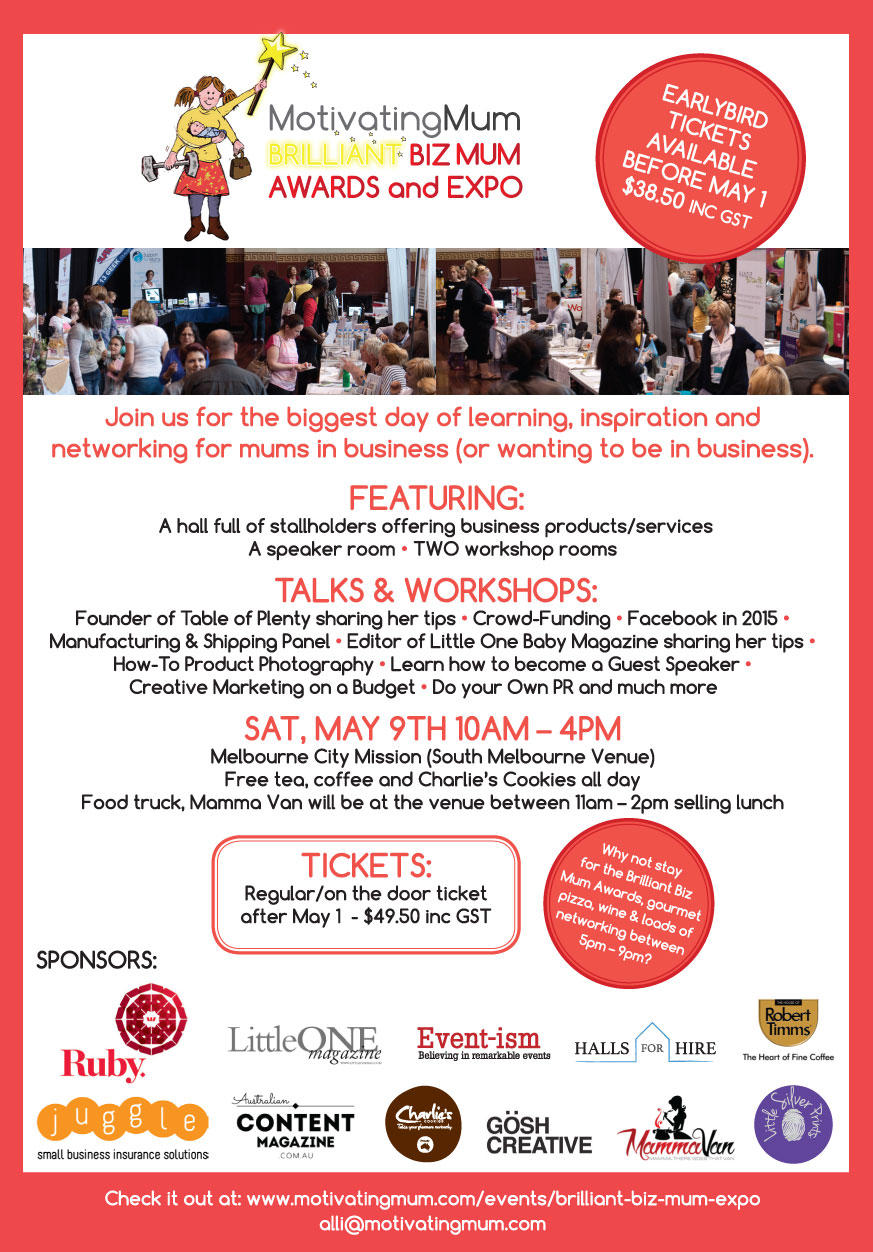
entrepreneurial mothers, this event is for you… join many other Brilliant Biz Mums in a day of fun, learning, growth, inspiration, reflection and celebration.
by theEmother | Apr 17, 2015 | build a Mother of a Business, buy | sell websites, BUY a Business, Buy a Mother of a Business, entrepreneurial mothers, exit strategy, start with the end in mind, TEMpting, the business model
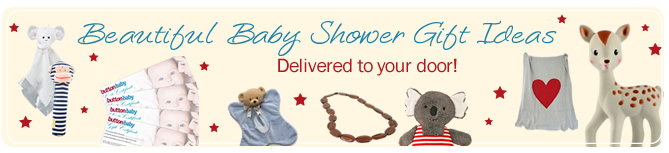 This online boutique store is full of quality products and beautiful gifts for all of the babies and toddlers. Newborn gifts, the perfect baby shower gifts, 1st birthday or just because…what ever the occasion, here you will find the perfect products in store.
The business sources, selects, packages and distributes a beautiful range of quality products that have been tried and tested. The offer is promoted along the lines of having a personal shopper, doing all the legwork for the purchaser.
Together with the unique range of products on display, so is excellent customer service and the ease of shopping 24/7, from anywhere! Once a perfect gift is chosen, free gift-wrapping is offered as part of the service.
Given the level of interest to date and with time dedicated to it, the business has grown well but still allows for a lot of potential. In particular, it will add value as a bolt-on to an existing business in a similar niche or as a hobby/second income business for the sophisticated baby gift enthusiast.
ASKING PRICE: $100,000 (plus stock at cost)
Interested? email sell@theentrepreneurialmother.com.au